
One of the first questions on any extension or renovation is how it gets approved. In NSW there are two main paths: a Complying Development Certificate (CDC) and a Development Application (DA). Knowing roughly where your project sits helps you plan realistically from the start.
This is a general guide, not planning advice. Every site is different, and the right path for your project should be confirmed with a registered certifier, town planner or your local council before you commit.
What is a CDC?
A Complying Development Certificate is a fast-tracked approval for straightforward projects that meet a set list of standards. Because the project simply has to comply with pre-set criteria, a CDC can be issued by a private certifier or council without a full merit assessment, which usually makes it quicker and more predictable than a DA.
What is a DA?
A Development Application is assessed by council against the local planning controls. It’s the path for projects that don’t fit neatly inside the complying-development rules because of the site, the scale, or a planning overlay. A DA involves more assessment, sometimes neighbour notification, and a longer timeframe.
Which one will my project need?
It depends entirely on the project and the site, but as a rough orientation:
Project | Typical path (indicative only) |
|---|---|
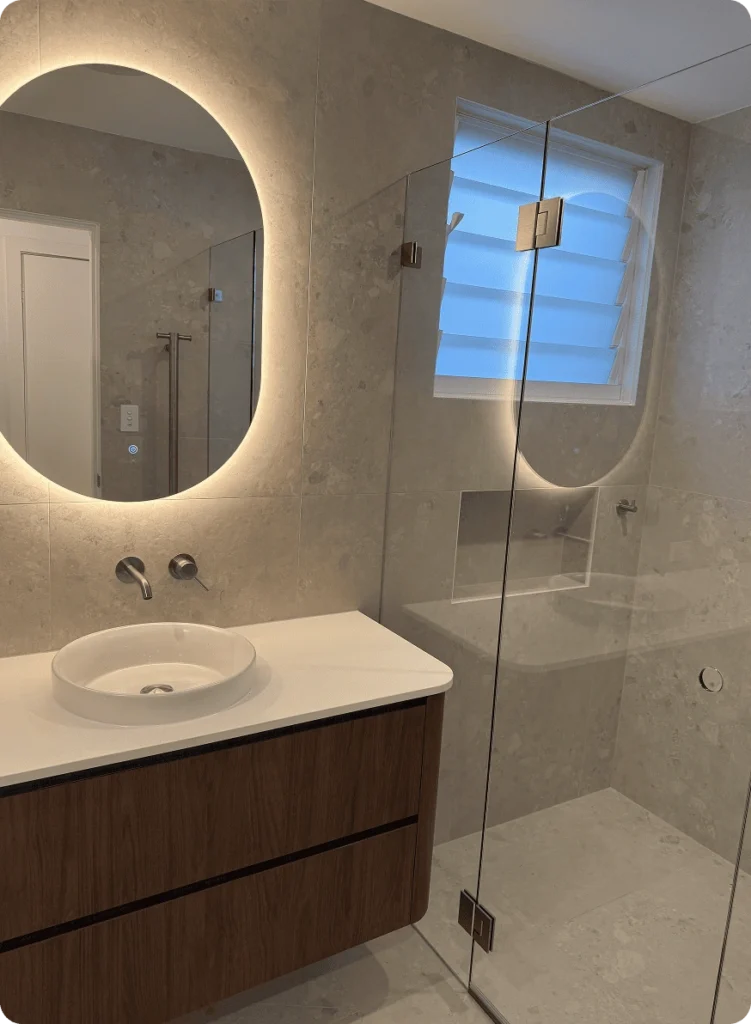
Bathroom or kitchen renovation (internal) | Often exempt or straightforward. Many internal renovations need no planning approval, though other rules still apply. |
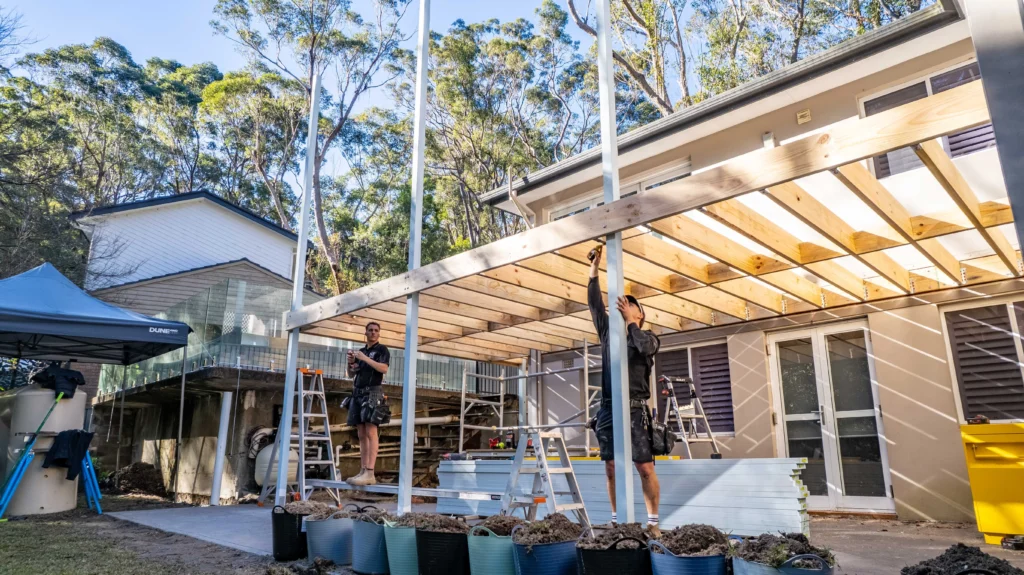
Rear or ground-floor extension | CDC if it meets the standards; DA if the site or design falls outside them. |
Second-storey addition | Frequently a DA, depending on height, setbacks and streetscape controls. |
Knockdown rebuild | CDC or DA depending on the block, zoning and any overlays. |
What tips a project from CDC to DA
On the Northern Beaches, a few things commonly push a project onto the DA path: heritage listings, flood or bushfire overlays, coastal controls, and blocks with tight setbacks or difficult access. None of these are dealbreakers; they just need to be factored in early rather than discovered late.
Where a builder fits in
We’re not your certifier, as approvals are issued by council or a registered certifier. However, the approvals process runs alongside the build, so we help you get to the right people, coordinate with your consultants, and factor the pathway and its timeline into the project program from the outset. Getting this right early is one of the best ways to keep a renovation on schedule.
FAQ
What’s the main difference between a CDC and a DA?
A CDC approves projects that meet a fixed set of standards, so it’s usually faster. A DA is assessed by council on its merits and suits projects that fall outside those standards.
Do I need approval for a bathroom renovation?
Many internal bathroom renovations don’t need planning approval, though building, plumbing and waterproofing requirements still apply. Always confirm for your specific project.
How long does each take?
A CDC is generally quicker; a DA takes longer because of the assessment process. Timeframes vary, so it’s worth checking current council timelines when you plan.
Who issues a CDC?
A registered private certifier or council can issue a CDC once the project is shown to comply with the relevant standards.
Planning an extension or renovation?
Talk to a builder early, as it’s the simplest way to keep the approvals and the build moving together.